





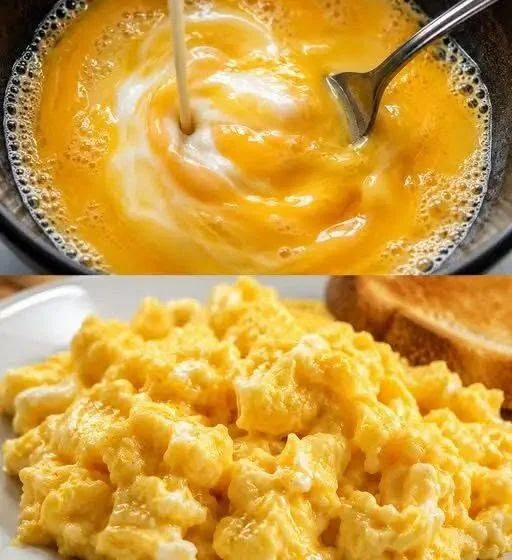
Creamy soft scrambled eggs are one of the simplest yet most luxurious breakfast dishes you can prepare. Unlike traditional scrambled eggs, which are often cooked quickly over high heat until firm, soft scrambled eggs are cooked slowly over gentle heat. This method creates delicate, silky curds with a rich, creamy texture that almost melts in your mouth. Whether served on buttered toast, alongside smoked salmon, or enjoyed on their own with fresh herbs, soft scrambled eggs make an elegant breakfast, brunch, or light meal.
The secret to achieving restaurant-quality soft scrambled eggs lies in patience. Cooking the eggs over low heat while stirring continuously allows small, tender curds to form without becoming dry or rubbery. Butter adds richness, while a small amount of cream or milk can enhance the velvety consistency, although many chefs prefer using only butter for the purest flavor. Freshly cracked black pepper, flaky sea salt, and chopped chives provide the perfect finishing touch.
This comprehensive recipe walks you through every step, from selecting the best eggs to serving suggestions and expert tips, ensuring consistently creamy results every time.
Why You’ll Love This Recipe
- Ready in less than 10 minutes
- Rich, creamy, and incredibly tender
- High in protein and nutrients
- Perfect for breakfast, brunch, or a quick dinner
- Easy enough for beginners
- Uses simple pantry ingredients
- Customizable with herbs, cheese, vegetables, or smoked salmon
Ingredients
Serves 2
- 4 large fresh eggs
- 2 tablespoons unsalted butter
- 2 tablespoons heavy cream (optional)
- ¼ teaspoon fine salt
- ¼ teaspoon freshly ground black pepper
- 1 tablespoon chopped fresh chives
- Flaky sea salt for garnish (optional)
Optional Additions
For extra flavor, consider adding:
- 2 tablespoons grated Parmesan cheese
- 2 tablespoons cream cheese
- 1 tablespoon sour cream
- Fresh dill
- Fresh parsley
- Smoked salmon
- Sautéed mushrooms
- Spinach
- Avocado slices
- Crispy bacon
- Toasted sourdough bread
Equipment
- Medium non-stick skillet
- Silicone spatula
- Mixing bowl
- Whisk or fork
- Measuring spoons
A non-stick skillet is highly recommended because soft scrambled eggs are delicate and can easily stick to regular pans.
Step 1: Choose Fresh Eggs
Fresh eggs make a noticeable difference. They have firmer whites, richer yolks, and better flavor.
Look for eggs with:
- Bright orange or deep yellow yolks
- Clean, uncracked shells
- Fresh expiration date
Allow the eggs to sit at room temperature for about 10 minutes before cooking. Room-temperature eggs cook more evenly.
Step 2: Crack and Beat the Eggs
Crack the eggs into a mixing bowl.
Whisk them thoroughly using a fork or whisk until the yolks and whites are completely combined.
Avoid over-whisking because incorporating excessive air can make the eggs foamy rather than silky.
If using heavy cream, mix it into the eggs now.
Do not add salt at this stage if you prefer a slightly firmer texture. Many chefs season near the end of cooking to maintain the eggs’ consistency.
Step 3: Heat the Pan
Place a non-stick skillet over low heat.
Add the butter.
Allow it to melt slowly without browning.
Brown butter creates a nuttier flavor, but for classic creamy scrambled eggs, the butter should remain pale yellow.
Step 4: Cook Slowly
Pour the beaten eggs into the skillet.
Wait about 20–30 seconds before stirring.
Using a silicone spatula, gently push the eggs from the edges toward the center.
Continue stirring slowly and constantly.
The eggs should form tiny, delicate curds.
Do not rush the cooking process by increasing the heat.
Slow cooking produces the softest texture.
Step 5: Remove from Heat Frequently
One professional technique is to repeatedly remove the skillet from the heat for a few seconds while stirring continuously.
This prevents the eggs from overcooking.
Repeat this process several times until the eggs are mostly set but still look glossy.
Residual heat will finish cooking them.
Step 6: Season
When the eggs are almost finished, stir in:
- Salt
- Black pepper
If using Parmesan or cream cheese, fold it in now.
The remaining heat will gently melt the cheese into the eggs.
Step 7: Finish with Herbs
Transfer the eggs immediately onto warm serving plates.
Sprinkle with:
- Chopped chives
- Fresh parsley
- Dill
- Flaky sea salt
Serve immediately while hot and creamy.
Serving Suggestions
Creamy scrambled eggs pair wonderfully with a variety of breakfast and brunch favorites.
Serve them with:
- Buttered sourdough toast
- Croissants
- English muffins
- Avocado toast
- Roasted tomatoes
- Grilled asparagus
- Hash browns
- Breakfast potatoes
- Smoked salmon
- Fresh fruit
They also make an excellent filling for breakfast sandwiches or wraps.
Chef’s Tips for Perfect Scrambled Eggs
Cook Over Low Heat
High heat causes proteins to tighten quickly, resulting in dry, rubbery eggs.
Gentle heat creates soft, creamy curds.
Stir Constantly
Frequent stirring encourages small, tender curds.
Large curds develop when eggs sit undisturbed.
Remove Early
Take the eggs off the heat while they still appear slightly wet.
They continue cooking from residual heat.
Use Butter
Butter provides richness and contributes to the silky texture.
Warm the Plates
Serving warm eggs on cold plates cools them quickly.
Warm plates help maintain the ideal consistency.
Delicious Variations
French-Style Scrambled Eggs
Cook very slowly while stirring constantly until the eggs resemble a thick custard.
Finish with crème fraîche.
Cheesy Scrambled Eggs
Add:
- Cheddar
- Gruyère
- Parmesan
- Goat cheese
- Mozzarella
Fold the cheese in during the final minute.
Herb Scrambled Eggs
Mix in:
- Chives
- Tarragon
- Parsley
- Dill
- Basil
Fresh herbs brighten the rich flavor of the eggs.
Mushroom Scrambled Eggs
Sauté sliced mushrooms in butter before adding the eggs.
The earthy mushrooms complement the creamy texture beautifully.
Mediterranean Style
Add:
- Spinach
- Feta cheese
- Cherry tomatoes
- Oregano
Finish with olive oil.
Smoked Salmon Scramble
Fold small pieces of smoked salmon into the eggs after cooking.
Top with chives and cracked pepper.
Truffle Scrambled Eggs
Drizzle a few drops of truffle oil over the finished eggs.
Finish with shaved Parmesan.
Common Mistakes to Avoid
Cooking Too Fast
Fast cooking makes eggs dry and tough.
Overcooking
Eggs continue cooking after leaving the pan.
Remove them slightly before they look fully done.
Using High Heat
High temperatures create rubbery eggs.
Low heat is essential.
Skipping Butter
Butter adds flavor, moisture, and creaminess.
Leaving Eggs in the Pan
Always transfer them immediately after cooking.
The hot pan continues cooking the eggs.
Storage
Soft scrambled eggs are best eaten immediately.
However, leftovers may be refrigerated in an airtight container for up to 2 days.
Reheating
Warm gently in a non-stick skillet over very low heat.
Add a teaspoon of butter or cream while reheating.
Avoid microwaving on high power, as it can make the eggs rubbery.
Nutrition (Approximate Per Serving)
Based on two servings.
- Calories: 250
- Protein: 14 g
- Fat: 21 g
- Carbohydrates: 2 g
- Fiber: 0 g
- Sugar: 1 g
- Sodium: 280 mg
- Cholesterol: 390 mg
Nutritional values vary depending on the optional ingredients used.
Frequently Asked Questions
Can I make soft scrambled eggs without cream?
Yes. Butter alone provides enough richness for creamy eggs. Many professional chefs use only butter and eggs.
Can I use olive oil instead of butter?
Yes, although the flavor and texture will be slightly different. Extra-virgin olive oil works well for a lighter version.
Why are my scrambled eggs watery?
Overcooking or salting the eggs too early can sometimes release moisture. Cook gently and remove the eggs while they are still slightly glossy.
Can I add vegetables?
Absolutely. Sauté vegetables such as mushrooms, spinach, onions, or peppers before adding the eggs so excess moisture doesn’t dilute the scramble.
Conclusion
Creamy soft scrambled eggs are a timeless dish that proves simple ingredients can produce exceptional res
