

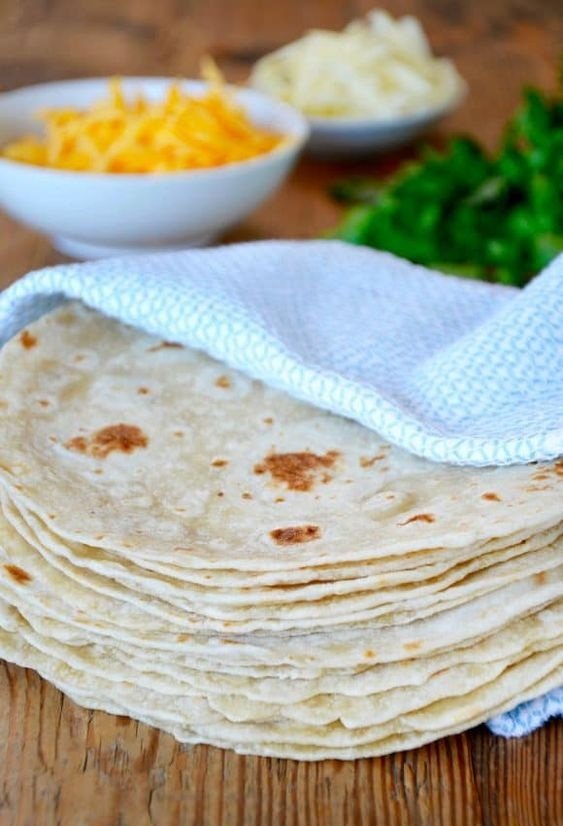
Gluten free flour tortillas are a delicious alternative to traditional wheat tortillas and are ideal for tacos, burritos, wraps, quesadillas, and flatbreads. Making them from scratch allows you to control the ingredients, avoid preservatives, and achieve a soft, flexible texture that is often difficult to find in store-bought gluten-free products. While gluten-free dough behaves differently than wheat dough, the combination of the right flour blend, a binding agent, and proper cooking techniques results in tortillas that are tender, pliable, and flavorful.
Unlike wheat flour, gluten-free flours do not contain gluten, the protein responsible for elasticity and stretch. To compensate, this recipe uses psyllium husk and xanthan gum to improve flexibility and reduce cracking. The dough is easy to prepare, requires no yeast, and can be cooked in just a few minutes on a hot skillet.
Ingredients
Dry Ingredients
- 2½ cups (300 g) gluten-free all-purpose flour blend (containing rice flour, potato starch, and tapioca starch)
- 1 teaspoon xanthan gum (omit if your flour blend already includes it)
- 1 tablespoon psyllium husk powder
- 1 teaspoon baking powder
- 1 teaspoon fine salt
Wet Ingredients
- 2 tablespoons olive oil or avocado oil
- 1 cup (240 ml) warm water
- 1 teaspoon apple cider vinegar
Optional for richer tortillas:
- 1 tablespoon melted butter or dairy-free butter
Equipment Needed
- Large mixing bowl
- Measuring cups and spoons
- Wooden spoon or silicone spatula
- Rolling pin
- Two sheets of parchment paper
- Non-stick skillet or cast-iron pan
- Clean kitchen towel
Step 1: Mix the Dry Ingredients
In a large mixing bowl, combine:
- Gluten-free flour blend
- Xanthan gum
- Psyllium husk powder
- Baking powder
- Salt
Whisk everything together thoroughly. Even distribution of the ingredients helps ensure a consistent dough and evenly textured tortillas.
Step 2: Add the Wet Ingredients
Pour the warm water, olive oil, and apple cider vinegar into the dry ingredients.
Mix with a spoon until the dough begins to come together.
After the dough forms a rough ball, knead gently with your hands for about 2–3 minutes until smooth.
The dough should feel soft and slightly tacky but not sticky. If it seems dry, add one teaspoon of warm water at a time. If it feels too wet, sprinkle in a little extra gluten-free flour.
Step 3: Let the Dough Rest
Cover the bowl with a clean towel or plastic wrap.
Allow the dough to rest for 20–30 minutes.
This resting period is important because the gluten-free flours and psyllium husk absorb moisture, making the dough easier to roll and less likely to crack.
Step 4: Divide the Dough
Transfer the dough to a lightly floured work surface.
Divide it into 8 equal portions for medium tortillas or 6 portions for larger wraps.
Roll each piece into a smooth ball.
Keep the dough balls covered while working to prevent drying.
Step 5: Roll the Tortillas
Place one dough ball between two sheets of parchment paper.
Using a rolling pin, roll it into a circle about 7–8 inches (18–20 cm) in diameter and approximately ⅛ inch (3 mm) thick.
If the edges crack slightly, gently press them back together with your fingers.
Repeat with the remaining dough.
Step 6: Heat the Pan
Heat a dry non-stick skillet or cast-iron pan over medium-high heat.
The pan should be hot before the first tortilla is added but not smoking.
A properly heated skillet helps the tortillas cook evenly and develop light brown spots.
Step 7: Cook the Tortillas
Carefully peel away the parchment paper and place one tortilla into the hot skillet.
Cook for about 45–60 seconds until bubbles begin to appear.
Flip and cook for another 30–60 seconds.
The tortilla should have golden brown spots while remaining soft.
Avoid overcooking, as this can make gluten-free tortillas dry and brittle.
Repeat with the remaining tortillas.
Step 8: Keep Them Soft
As each tortilla finishes cooking, stack it on a plate and cover with a clean kitchen towel.
The trapped steam keeps the tortillas warm and flexible.
Allow them to rest together for several minutes before serving.
Serving Ideas
Gluten-free tortillas are incredibly versatile and can be used in many dishes, including:
- Chicken tacos
- Beef burritos
- Vegetable wraps
- Breakfast burritos
- Quesadillas
- Fajitas
- Turkey sandwich wraps
- Bean and cheese rolls
- Grilled flatbread pizzas
- Sweet dessert wraps with fruit and cinnamon
Flavor Variations
Herb Tortillas
Mix into the dough:
- 1 teaspoon dried oregano
- 1 teaspoon parsley
- ½ teaspoon garlic powder
These pair well with Mediterranean-inspired fillings.
Spinach Tortillas
Blend fresh spinach with the warm water before mixing the dough.
This creates naturally green tortillas with a mild flavor.
Whole-Grain Style
Replace part of the flour blend with gluten-free oat flour or sorghum flour for a heartier taste and slightly denser texture.
Spicy Tortillas
Add:
- ½ teaspoon chili powder
- ½ teaspoon smoked paprika
- A pinch of cayenne pepper
Perfect for tacos and grilled meats.
Garlic Tortillas
Mix in:
- 1 teaspoon garlic powder
- ½ teaspoon onion powder
These are excellent for wraps or serving alongside soups.
Storage
Refrigerator
Store cooled tortillas in an airtight container or resealable bag.
They remain fresh for 3–4 days.
Reheat briefly in a skillet or microwave before serving to restore softness.
Freezer
Separate tortillas with parchment paper.
Place them in a freezer-safe bag.
Freeze for up to 3 months.
Thaw overnight in the refrigerator or at room temperature before reheating.
Tips for Success
- Use a high-quality gluten-free flour blend designed for baking.
- Psyllium husk significantly improves flexibility and reduces cracking.
- Resting the dough is essential for proper hydration.
- Roll the tortillas evenly to ensure consistent cooking.
- Keep uncooked dough covered so it does not dry out.
- Use parchment paper to prevent sticking while rolling.
- Cook over medium-high heat rather than very high heat to avoid burning.
- Do not overcook, as gluten-free tortillas can quickly become dry.
Common Mistakes to Avoid
- Adding too much flour, which makes the tortillas stiff.
- Skipping the resting period.
- Rolling the dough too thin, causing tears.
- Cooking on a pan that is too cool, resulting in pale, tough tortillas.
- Leaving cooked tortillas uncovered, allowing them to dry out.
- Using only a single gluten-free flour instead of a balanced flour blend.
Approximate Nutritional Information (Per Medium Tortilla)
- Calories: 150
- Protein: 3 g
- Fat: 4 g
- Carbohydrates: 26 g
- Fiber: 2–3 g
- Sugar: Less than 1 g
- Sodium: 220 mg
Nutritional values will vary depending on the specific gluten-free flour blend and optional ingredients used.
Frequently Asked Questions
Why are my tortillas cracking?
Cracking usually occurs when the dough is too dry or has not rested long enough. Add a little more warm water if needed and allow the dough to hydrate fully before rolling.
Can I make these dairy-free?
Yes. This recipe is naturally dairy-free if you use olive oil or another plant-based oil and skip any optional butter.
Can I use only rice flour?
Using only rice flour is not recommended because the tortillas tend to be dry and brittle. A balanced gluten-free flour blend produces much better texture and flexibility.
Do I need xanthan gum?
If your gluten-free flour blend already contains xanthan gum or another binder, you can omit the extra amount listed. Psyllium husk also contributes significantly to elasticity.
Can these tortillas be made ahead of time?
Absolutely. They store well in the refrigerator for several days and freeze beautifully for longer storage. Reheat briefly before serving to restore their soft texture.
Final Thoughts
Homemade gluten-free flour tortillas are a rewarding addition to any kitchen. With a simple combination of gluten-free flour, psyllium husk, xanthan gum, oil, and warm water, you can create tortillas that are soft, flexible, and flavorful without relying on wheat. They are suitable for a wide variety of meals, from quick weekday lunches to festive taco nights and hearty breakfast wraps.
The key to success is allowing the dough to rest, rolling each tortilla evenly, and cooking them just long enough to develop light golden spots while keeping them tender. Once you become comfortable with the basic recipe, you can customize it with herbs, spices, spinach, or other flavorings to suit your preferences. Whether you are following a gluten-free diet for medical reasons or simply exploring new cooking techniques, these homemade tortillas provide a delicious, versatile foundation for countless meals. With practice, you will enjoy fresh, wholesome tortillas that rival or even surpass many store-bought gluten-free options.
