

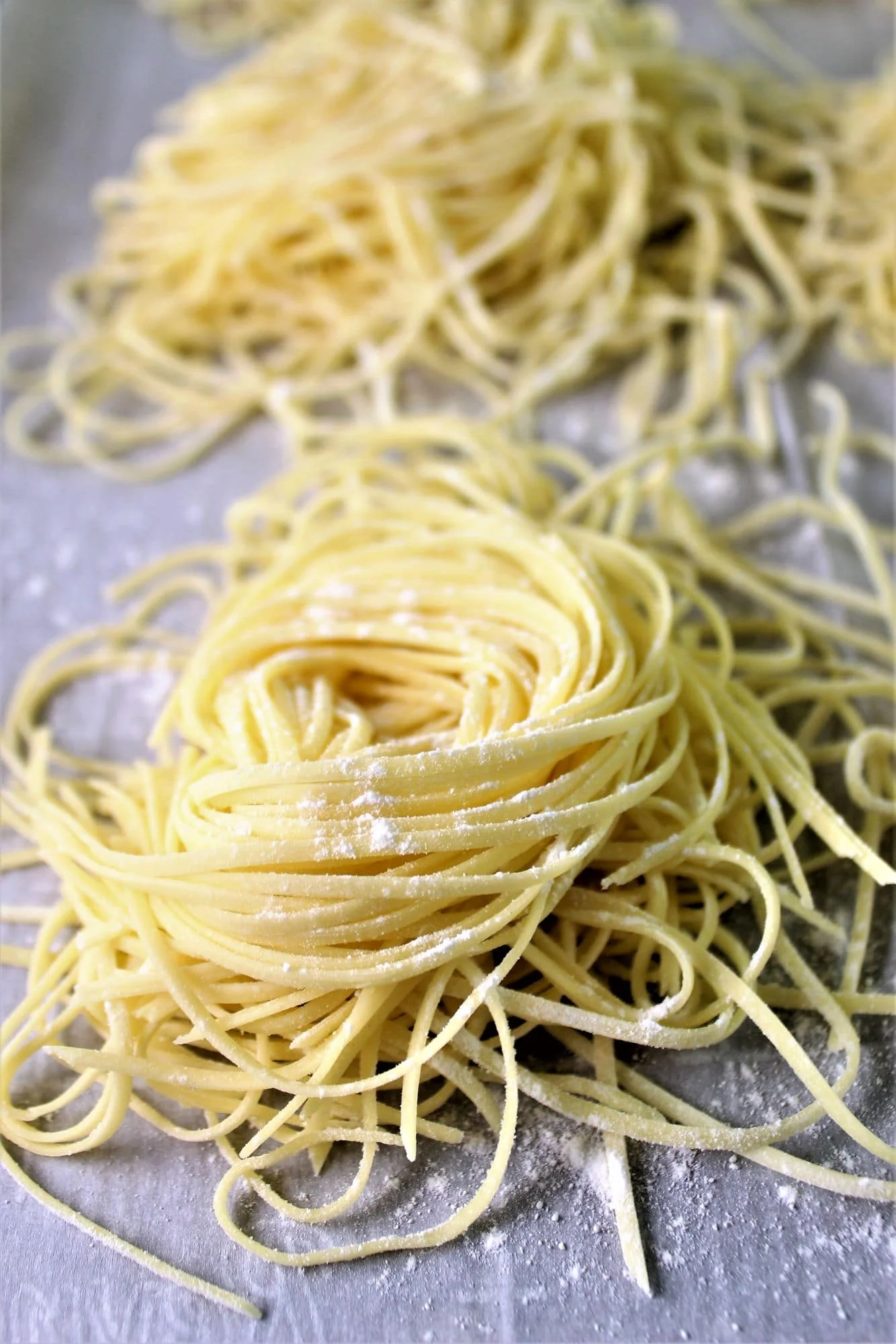
Homemade Gluten-Free Pasta: There is something incredibly satisfying about making fresh pasta from scratch. Homemade gluten-free pasta is soft, tender, and has a delicate texture that is difficult to match with most store-bought varieties. While many commercial gluten-free pastas can become mushy or brittle after cooking, fresh homemade pasta offers a pleasant bite and absorbs sauces beautifully. Whether you’re preparing silky fettuccine, hearty pappardelle, delicate ravioli, or comforting lasagna sheets, this recipe provides a versatile dough that is easy to work with and full of flavor.
Making gluten-free pasta requires a slightly different approach than traditional wheat pasta because gluten-free flours lack the elasticity that gluten provides. Fortunately, by using a balanced gluten-free flour blend, xanthan gum, and eggs, you can create a dough that rolls smoothly, cuts cleanly, and cooks into delicious pasta with excellent texture. This recipe is ideal for individuals with celiac disease or gluten sensitivity when made with certified gluten-free ingredients.
Why You’ll Love This Recipe
This homemade gluten-free pasta is:
- Soft and tender with an authentic fresh pasta texture
- Easy to prepare using simple pantry ingredients
- Naturally gluten-free
- Perfect for cutting into different pasta shapes
- Freezer-friendly for meal preparation
- Better tasting than many store-bought gluten-free pastas
- Ready in about one hour from start to finish
Fresh pasta also cooks much faster than dried pasta, making it an excellent option for quick weeknight dinners or elegant homemade meals.
Ingredients
Dry Ingredients
- 2 cups (240 g) gluten-free all-purpose flour blend
- 1 teaspoon xanthan gum (omit if already included in the flour blend)
- ½ teaspoon fine salt
Wet Ingredients
- 3 large eggs, room temperature
- 1 tablespoon olive oil
- 1–2 tablespoons water (only if needed)
For Dusting
- Additional gluten-free flour
- Rice flour or tapioca starch
Equipment Needed
- Large mixing bowl
- Fork or whisk
- Clean work surface
- Rolling pin or pasta machine
- Sharp knife or pasta cutter
- Plastic wrap
- Large pot
- Slotted spoon or pasta scoop
- Clean kitchen towels
Step 1: Mix the Dry Ingredients
In a large bowl, whisk together:
- Gluten-free flour blend
- Xanthan gum
- Salt
Mix thoroughly so the ingredients are evenly distributed. Proper mixing helps create a consistent dough and prevents lumps.
Step 2: Add the Wet Ingredients
Create a well in the center of the flour mixture.
Add:
- Eggs
- Olive oil
Using a fork, gradually mix the eggs into the flour.
Once the dough begins coming together, knead gently with your hands.
If the dough seems dry or crumbly, add water one teaspoon at a time until it forms a smooth dough.
If it becomes sticky, sprinkle in a little additional gluten-free flour.
Step 3: Knead the Dough
Transfer the dough to a lightly floured work surface.
Knead for about 5–8 minutes.
Unlike traditional wheat pasta, gluten-free dough will not become stretchy, but it should become smooth, soft, and easy to handle.
Avoid adding excessive flour during kneading, as this can make the pasta dry.
Step 4: Rest the Dough
Wrap the dough tightly in plastic wrap.
Allow it to rest at room temperature for 30 minutes.
Resting allows the flour to absorb moisture completely, making the dough easier to roll without cracking.
Step 5: Divide the Dough
Cut the dough into four equal pieces.
Keep the unused portions wrapped while working to prevent drying.
Working with smaller portions makes rolling much easier.
Step 6: Roll the Dough
Lightly dust your work surface with rice flour.
Using a rolling pin or pasta machine, roll one piece of dough until it is approximately 1–2 millimeters thick.
If using a pasta machine:
- Start with the widest setting.
- Fold the dough in half once.
- Roll again.
- Gradually reduce the thickness settings until the desired thickness is reached.
Dust lightly with flour whenever necessary to prevent sticking.
Step 7: Cut the Pasta
Choose your favorite pasta shape.
Examples include:
Fettuccine
Cut into strips about ¼ inch wide.
Tagliatelle
Cut slightly wider strips.
Pappardelle
Cut strips about ¾ inch wide.
Lasagna Sheets
Cut large rectangles.
Ravioli
Cut squares and fill with your favorite cheese or vegetable filling.
Farfalle
Cut rectangles and pinch the centers.
Lay the cut pasta on a lightly floured towel until ready to cook.
Step 8: Boil the Water
Bring a large pot of generously salted water to a rolling boil.
Fresh gluten-free pasta cooks very quickly.
Add the pasta carefully to the boiling water.
Cook for:
- Thin noodles: 2–3 minutes
- Thicker noodles: 3–4 minutes
- Ravioli: 4–5 minutes
- Lasagna sheets: 3–4 minutes
The pasta should be tender while still slightly firm.
Step 9: Drain
Remove the pasta using a slotted spoon.
Avoid rinsing unless using the pasta in a cold salad.
Fresh pasta is delicate, so handle it gently.
Step 10: Toss with Sauce
Serve immediately with your favorite sauce.
Fresh gluten-free pasta pairs beautifully with:
- Marinara sauce
- Alfredo sauce
- Pesto
- Garlic butter
- Brown butter and sage
- Creamy mushroom sauce
- Meat sauce
- Lemon herb sauce
- Olive oil with Parmesan
- Roasted vegetables
Fresh pasta absorbs sauces exceptionally well, making every bite flavorful.
Delicious Flavor Variations
Herb Pasta
Mix into the dough:
- 1 tablespoon chopped parsley
- 1 teaspoon dried basil
- ½ teaspoon oregano
Spinach Pasta
Blend fresh spinach with the eggs before mixing.
This creates naturally green pasta with extra nutrients.
Tomato Pasta
Add 2 tablespoons tomato paste to the wet ingredients.
Reduce the added water slightly.
Garlic Pasta
Mix one teaspoon garlic powder into the flour.
Excellent with butter or cream sauces.
Beet Pasta
Blend cooked beetroot into the eggs for beautiful pink pasta.
Perfect for special occasions.
Tips for Success
- Use a high-quality gluten-free flour blend specifically designed for baking.
- Always allow the dough to rest.
- Roll the dough evenly.
- Dust lightly with flour to prevent sticking.
- Avoid overcooking fresh pasta.
- Cook immediately after cutting whenever possible.
- Keep unused dough covered.
Common Mistakes to Avoid
- Using only one gluten-free flour instead of a balanced blend.
- Skipping the resting period.
- Adding too much flour during kneading.
- Rolling the dough too thick.
- Overcooking the pasta.
- Allowing rolled pasta to dry excessively before cooking.
- Forgetting to salt the cooking water.
Storage
Refrigerator
Wrap uncooked pasta tightly.
Store for up to 24 hours.
Cook directly from the refrigerator.
Freezer
Arrange the pasta in small nests on a baking sheet.
Freeze until firm.
Transfer to freezer bags.
Store for up to 2 months.
Cook directly from frozen without thawing.
Cooked Pasta
Store cooked pasta in an airtight container for up to 3 days.
Reheat gently in warm sauce or with a splash of water.
Approximate Nutritional Information (Per Serving)
- Calories: 290
- Protein: 10 g
- Fat: 7 g
- Carbohydrates: 46 g
- Fiber: 2 g
- Sugar: 1 g
- Sodium: 220 mg
Values vary depending on the flour blend and serving size.
Frequently Asked Questions
Can I make this dairy-free?
Yes. This recipe contains no dairy. Simply serve it with a dairy-free sauce if desired.
Can I make it without eggs?
Yes, although the texture will change. Egg substitutes such as flaxseed eggs or commercial egg replacers can be used, but the dough may be more delicate.
Can I use a pasta machine?
Absolutely. A pasta machine produces more even sheets and makes rolling easier.
Why is my dough cracking?
Cracking usually means the dough is too dry. Add a teaspoon of water and knead until smooth.
Can I dry this pasta for storage?
Fresh gluten-free pasta is best enjoyed fresh or frozen. Drying it completely can make it more fragile than traditional wheat pasta.
Best Sauces for Gluten-Free Pasta
Fresh homemade gluten-free pasta works well with almost any sauce. Some of the best options include creamy Alfredo, classic marinara, basil pesto, garlic butter with Parmesan, rich Bolognese, roasted tomato sauce, mushroom cream sauce, lemon herb butter, olive oil with garlic and herbs, or a simple combination of sautéed vegetables and grated cheese. Because fresh pasta has a tender texture, lighter sauces often allow its flavor to shine.
Final Thoughts
Homemade gluten-free pasta is one of the most rewarding recipes you can make from scratch. Its fresh taste, tender texture, and versatility far surpass many packaged alternatives, making it an excellent choice for everything from simple weeknight dinners to
