





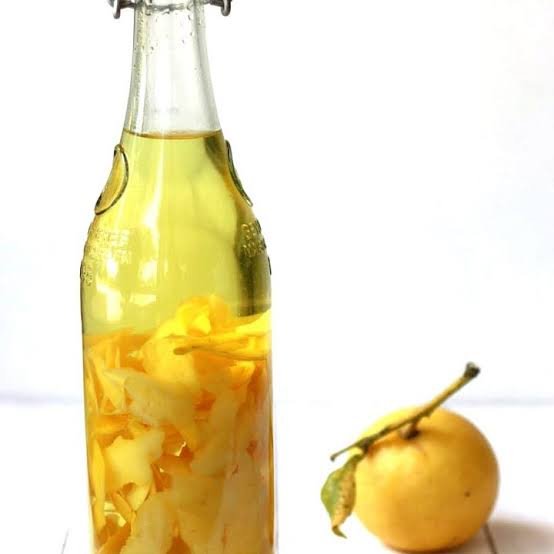
Homemade limoncello is a bright, refreshing Italian lemon liqueur made by infusing lemon peels in alcohol and then blending the infused liquid with a sweet sugar syrup. It has an intense lemon aroma, a beautiful golden color, and a smooth balance of citrus, sweetness, and warmth.
Although traditional limoncello requires patience, the actual preparation is surprisingly simple. The most important part is using fresh lemons and carefully removing only the yellow outer peel. The white part of the lemon peel, called the pith, can make the finished liqueur unpleasantly bitter.
This homemade limoncello is wonderful served chilled after dinner, poured over ice, or used as an ingredient in cocktails and desserts.
Ingredients
- 8–10 fresh unwaxed lemons
- 750 ml high-proof neutral spirit or vodka
- 2½ cups (500 g) granulated sugar
- 3 cups (720 ml) water
Choosing the Lemons
The lemons are the most important ingredient in limoncello, so choose fresh, fragrant lemons with brightly colored skins. Organic or unwaxed lemons are ideal because you will be using the peel.
If your lemons are not labeled unwaxed, wash them thoroughly with warm water and gently scrub the outside to remove dirt and as much surface wax as possible.
Look for lemons with firm, healthy skins and a strong citrus aroma. Meyer lemons can also be used, although they produce a sweeter and more floral version of limoncello.
Step 1: Wash and Prepare the Lemons
Wash the lemons carefully under warm running water. Dry them completely with a clean kitchen towel.
Using a vegetable peeler, sharp paring knife, or citrus zester, remove the outer yellow layer of the lemon peel.
Try to remove only the yellow portion and avoid the white pith underneath. The yellow skin contains the fragrant essential oils that give limoncello its distinctive lemon flavor, while the white pith contains compounds that can contribute unwanted bitterness.
You do not need to remove every bit of peel from the lemon. The goal is to collect enough thin yellow strips to create a strongly flavored infusion.
The peeled lemons can be saved for another recipe. Use their juice for lemonade, lemon curd, salad dressing, cakes, or other desserts.
Step 2: Infuse the Lemon Peels
Place the lemon peels in a large clean glass jar with a tight-fitting lid.
Pour the alcohol over the peels, making sure they are completely submerged. Close the jar securely.
Store the jar in a cool, dark place away from direct sunlight. Let the lemon peels infuse for approximately 7–14 days.
During this time, the alcohol extracts the aromatic oils from the lemon peel. The liquid will gradually become yellow and increasingly fragrant.
Gently shake the jar once every day or two if desired. This is not essential, but it can help distribute the peels throughout the alcohol.
After several days, the alcohol should have a strong lemon aroma and a noticeable yellow color.
For a more intense flavor, you can allow the infusion to continue for up to 3–4 weeks. However, longer does not always mean better, particularly if there is any pith remaining on the peels.
Step 3: Prepare the Sugar Syrup
When the lemon infusion has reached your desired strength, prepare the sugar syrup.
Combine 2½ cups of granulated sugar with 3 cups of water in a saucepan.
Place the saucepan over medium heat and stir until the sugar has completely dissolved.
There is no need to boil the syrup vigorously. Once the sugar has dissolved, remove the saucepan from the heat.
Allow the syrup to cool completely to room temperature.
This is an important step. Do not combine very hot syrup with the alcohol because excessive heat can cause some alcohol to evaporate and may affect the flavor.
Step 4: Strain the Lemon Infusion
Place a fine-mesh strainer over a large bowl or pitcher.
For an especially clear limoncello, line the strainer with cheesecloth or a clean coffee filter.
Pour the lemon-and-alcohol mixture through the strainer, removing all of the lemon peels.
Pressing the peels gently can extract additional liquid, but avoid squeezing them excessively if you want a very clear final product.
Discard the used peels or add them to another culinary preparation.
Step 5: Combine the Infusion and Syrup
Once the sugar syrup has completely cooled, slowly combine it with the strained lemon-infused alcohol.
Stir gently until everything is evenly mixed.
The exact amount of syrup can be adjusted according to personal preference. More syrup produces a sweeter and slightly less concentrated limoncello, while less syrup creates a stronger, more intensely alcoholic drink.
At this stage, the limoncello may look cloudy. This is completely normal. The cloudiness comes from the natural lemon oils and is often considered a desirable characteristic of traditionally made limoncello.
Step 6: Bottle the Limoncello
Pour the finished limoncello into clean glass bottles or jars with tightly fitting lids.
For the best presentation, use small glass bottles that are easy to store in the refrigerator or freezer.
Seal the bottles and allow the limoncello to rest for at least 3–7 days before serving. During this time, the flavors will blend and become smoother.
For an even more developed flavor, allow it to rest for several weeks.
How to Serve Homemade Limoncello
Limoncello is traditionally served very cold. Store the bottle in the refrigerator or freezer and pour it directly into small chilled glasses.
You can serve it:
- Straight from the freezer
- Chilled in a small liqueur glass
- Over ice
- Mixed with sparkling water
- With sparkling wine
- In lemon-based cocktails
- Over vanilla ice cream
- Drizzled over fresh berries
- As part of a dessert sauce
A small serving after dinner makes a refreshing and aromatic finish to a meal.
Tips for the Best Homemade Limoncello
Use Fresh Lemon Peels
The quality of the lemons has a major effect on the final flavor. Fresh, fragrant lemons produce a much more vibrant limoncello than old or dry lemons.
Avoid the White Pith
This is perhaps the most important preparation tip. Even a small amount of thick white pith can introduce bitterness. Use a vegetable peeler carefully and aim for thin strips of yellow zest.
Be Patient
Limoncello is not a recipe that needs to be rushed. The infusion period gives the alcohol time to extract the lemon oils, while the resting period allows the finished liqueur to develop a smoother flavor.
Adjust the Sweetness
If you prefer a sweeter limoncello, add more sugar syrup. If you prefer a stronger, less sweet version, reduce the amount of syrup.
It is better to begin with less syrup and adjust gradually because you can always add more sweetness, but correcting an overly sweet mixture is more difficult.
Storage
Store homemade limoncello in tightly sealed glass bottles in the refrigerator or freezer.
Because the finished liqueur contains alcohol and sugar, it can keep for an extended period when stored properly. However, for the best flavor and freshness, use clean equipment and bottles and avoid contaminating the finished drink.
If you notice an unusual smell, appearance, or flavor, discard the product rather than consuming it.
Frequently Asked Questions
Can I use vodka instead of high-proof spirit?
Yes. Vodka is a convenient choice for homemade limoncello because it has a relatively neutral flavor. A higher-proof neutral spirit can extract lemon oils efficiently and produce a more concentrated infusion, but always use a legally sold, food-grade spirit suitable for consumption.
Why is my limoncello cloudy?
Cloudiness is normal and often comes from lemon oils becoming suspended in the liquid. It does not necessarily indicate a problem.
Can I make limoncello less sweet?
Yes. Simply use less sugar syrup. Add the syrup gradually until you reach the sweetness you prefer.
How long should limoncello rest?
It can be enjoyed after several days of resting, but allowing it to mature for a few weeks can produce a more integrated flavor.
Final Thoughts
Homemade limoncello is a rewarding project that turns simple lemons, sugar, water, and alcohol into a fragrant Italian-style lemon liqueur. The process is straightforward, but patience and careful preparation make a significant difference.
Choose fragrant lemons, remove only the yellow zest, allow the peels enough time to infuse, and cool the sugar syrup completely before combining it with the lemon-infused alcohol. After a short resting period, you’ll have a beautifully aromatic limoncello ready to serve chilled.
Whether enjoyed as an after-dinner drink, mixed into a refreshing cocktail, or incorporated into desserts, homemade limoncello is a wonderful way to preserve the bright flavor of fresh lemons.
